 SURVIVE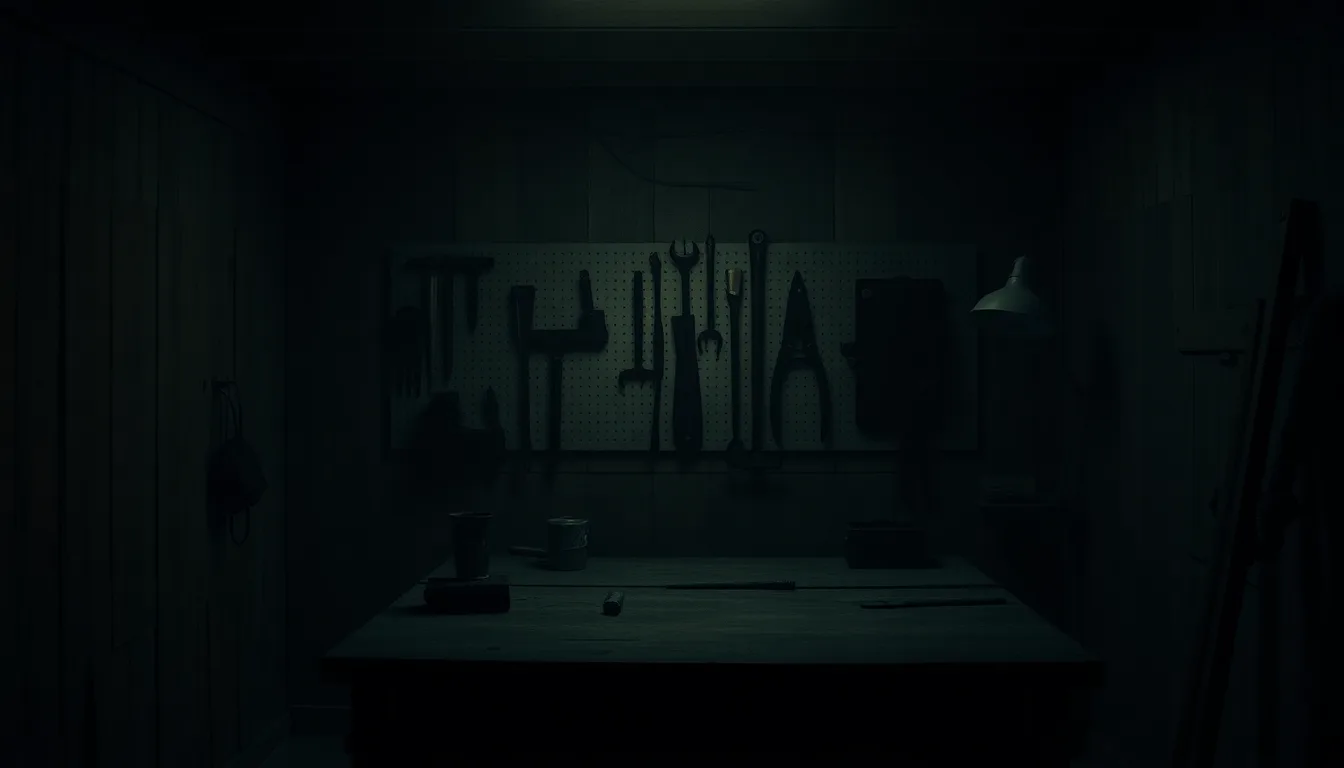
The Best Weapons for a Zombie Apocalypse (What Actually Keeps You Alive)
A tier list from best to worst — with the twist the fantasy ignores: quiet beats loud, and the real number-one weapon isn't a weapon at all.
You clicked because you want the loadout. The katana, the sawed-off, the nail bat with your name on it — the arsenal that makes you the last one standing. Fair enough. We'll rank them, honestly, best to worst. But here's the twist the movies never tell you: the "best" zombie weapon is almost never the one that looks coolest on a poster. The stuff that actually keeps you breathing is quieter, more boring, and already sitting in your garage.
Strip the fantasy away and a zombie outbreak is just a fast-moving mass-casualty event — exactly the kind emergency planners already model. Their data agrees on one uncomfortable rule: in a world where threats are drawn to sound, firepower is a liability and silence is a superpower. So this is a real tier list, judged on the two things that decide survival — noise and reliability — not on how good it looks in your hands.
How to actually rank a zombie weapon
Forget damage numbers. In a real outbreak, three things decide whether a weapon helps or gets you killed. Noise: anything loud is a dinner bell for every threat in earshot. Reliability: it has to work every time, with no ammo to run out and no mechanism to jam. Practicality: you have to carry it for days, swing it when exhausted, and ideally use it as a tool too. The U.S. Centers for Disease Control and Prevention built an entire zombie-preparedness campaign around dragging your brain away from heroics and toward exactly this kind of thinking: supplies, shelter, and a plan over firepower.
The zombie weapon tier list, best to worst
A tier — quiet melee: the survivor's real pick
A solid machete, crowbar, or fire axeis the closest thing to a perfect outbreak weapon, and it's no accident every seasoned survival voice lands here. It never jams, never runs out of ammo, and makes almost no noise. Better still, it doubles as a tool — a crowbar pries doors, splits crates, and levers open a jammed exit when you need to move fast. The trade-off is honest: melee means the threat is already close, and it's tiring work. But reliability and silence beat raw power in a world that hunts by sound.
B tier — silent ranged: distance without the dinner bell
A slingshot, air rifle, or slingbuys you the one thing melee can't: space, without announcing your position to the whole block. The catch is that they demand real skill and offer very little stopping power, so they're a supplement, not a main line of defense. Think of them as the tool that lets you deal with a single obstacle from a distance and slip away quietly — which, in an outbreak, is usually the entire goal.
C tier — firearms: loud, finite, and wildly overrated
Here's where the fantasy collapses. A shotgun or rifle feels like the ultimate answer, and for one target at close range it is. But every shot is a beacon. In a world where threats swarm toward sound, a single gunshot can turn a manageable situation into a crowd converging on your exact location. Then the ammo runs out — and a gun with no bullets is just an awkward, heavy club. Firearms earn a spot on the list, but far lower than Hollywood would ever admit.
In a world that hunts by sound, the loudest weapon is the one most likely to get you found. The people still alive next week are the quiet, boring ones.
F tier — the fantasy gear that gets you killed
The katana, the flamethrower, the chainsaw.Every one is a trap. A katana looks lethal but demands training most people don't have and dulls or chips fast against anything but a clean strike. A flamethrower is heavy, burns fuel you can't replace, and lights up the night like a signal flare. A chainsaw is the loudest thing you could possibly carry, and it stalls at the worst moment. They rank at the bottom for the same reason: loud, heavy, fragile, or all three. They photograph beautifully. They will also draw every threat in the neighborhood straight to you.
The plot twist: the real S tier isn't a weapon
Here's the honest answer the gear obsession hides. Weapons decide close encounters, but close encounters are the ones you already lost — the goal was never to win the fight, it was to never be in it. Which means the single most powerful thing you can "carry" isn't a blade at all. It's a mapped escape route, water, and the knowledge of exactly where you'd go. That combination outperforms any katana in the outbreak models, because it lets you avoid the crowd entirely.
Start with the least glamorous item on any survival list: water. A human can survive only three to five days without it, which is why the U.S. government's Ready.gov guidance puts water storage — one gallon per person per day — at the very top of the priority list. No weapon buys you time the way water does. The person who hoards ammo and forgets the water jugs is optimizing for a movie scene, not for staying alive.
Then there's the map. Tim Frazier, who directs Georgetown University's Emergency & Disaster Management program, is blunt in his own breakdown of zombie survival: the people who die first aren't the under-armed ones, they're the ones who move without information or wait for a rescue that isn't coming. A route you've already traced — primary, backup, worst-case, avoiding main roads — does more for your odds than anything with a blade on it.
Why quiet beats loud, in the math
This isn't just vibes. When researchers ran real epidemic math on a fictional outbreak, a statistical-physics model out of Cornell University found that a dense city could be overrun in roughly seven days, while low-density regions held out far longer. Density is the whole story — the more crowds around you, the faster it falls apart. And nothing multiplies your local crowd faster than noise. Every loud weapon you fire effectively raises the density of threats pointed at you. The quiet, avoidance-first survivor is quietly playing a completely different, winning game.
The same logic runs through everything the American Red Cross teaches for real disasters: water, a plan, communication, and staying out of danger beat confronting it. The undead are just a memorable wrapper. Swap zombies for a wildfire or a flood and the "weapon" that saves you is still the exit you mapped before you needed it.
So, what should you actually carry?
If you want a loadout, here's the honest one: a reliable quiet melee tool you can also use as a lever, water and a way to purify more, a paper map with routes already drawn, and a small trusted group to watch each other's backs. That's it. It's unglamorous, it's effective, and it's the opposite of the arsenal you came here picturing.
But even the perfect loadout has one gap no article can fill: it can't tell you which way to run. Your exits, your nearest safe point, how many crowds sit between you and it — none of that is knowable from a gear list. All of it is knowable from your actual address. Which is exactly why the smartest thing you can do before you obsess over weapons is find out whether your own street gives you anywhere to go.
Sources
- CDC — Preparedness 101: Zombie Pandemic — reframes heroics and firepower into supplies, shelter, and a written plan.
- Georgetown University — Ask a Professor: How to Survive a Zombie Apocalypse — emergency-management professor Tim Frazier on why movement and information beat firepower.
- Cornell University — statistical-physics outbreak modeling — finds density decides how fast an area is overrun; a dense city in roughly seven days.
- Ready.gov — Water storage guidance — one gallon per person per day; water outlasts any weapon.
- American Red Cross — How to Prepare for Emergencies — the real skills the fantasy quietly rehearses.
Keep reading
- How to Survive a Zombie Apocalypse — the hour-by-hour plan your loadout plugs into.
- Could You Survive the Apocalypse? — the instincts that feel smart and get people killed.
- Run the Survive simulator — map your real escape route and score your odds.
- More field guides — the full Survive blog.