 SURVIVE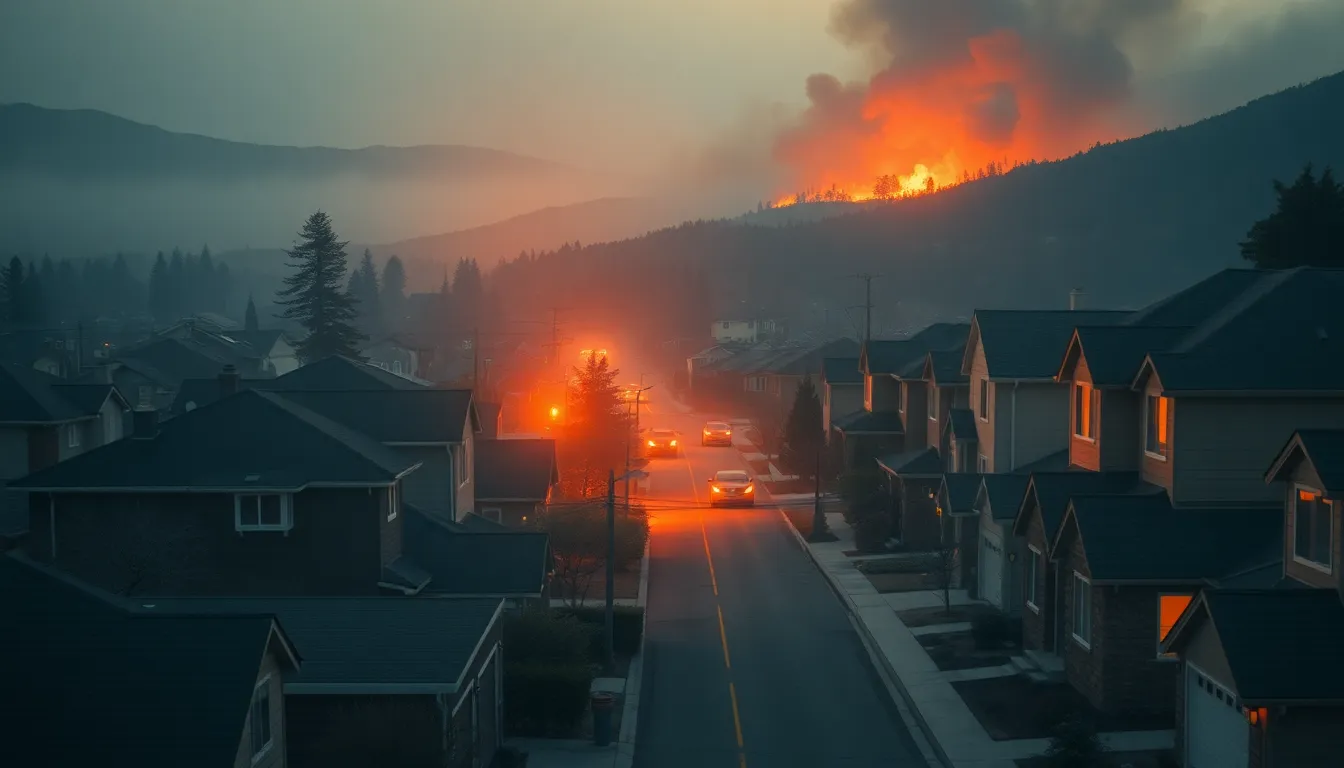
Wildfire Evacuation: Ready to Leave Before the Smoke Arrives
A wildfire evacuation can start in minutes, so readiness is everything: defensible space, a go-bag, your zone. Then see your route out.
A wildfire rewrites the rules of evacuation. Unlike a hurricane you can track for days, a wildfire can shift direction with the wind and force a neighborhood out in minutes. That speed is the whole problem — and the whole reason a wildfire evacuation is less about the moment of escape and more about everything you set up before the smoke is on the ridge.
The U.S. government's Ready.gov wildfire guidance organizes it into prepare, evacuate, and return. This guide walks each phase — then closes the gap no printout can: the actual route out of your neighborhood, on your real streets, before you ever need it.
Prepare: readiness is the whole game
Because wildfire gives so little warning, FEMA's guidance front-loads almost everything into preparation. Four things matter most.
Know your evacuation zone before you need it
FEMA is explicit that you may have to evacuate quickly due to a wildfire, and urges you to learn your evacuation routes, practice them with pets, and identify where you'll go — a friend's home, a shelter, another town. Many wildfire-prone areas have designated evacuation zones; look yours up on your county emergency site now, not while packing the car.
Create a defensible space around your home
A home's survival often comes down to what surrounds it. FEMA recommends creating a fire-resistant zone free of leaves, debris, and flammable materials for at least 30 feet around your home, using fire-resistant materials for repairs, and keeping an outdoor water source with a hose that reaches every part of your property. This is the work that gives firefighters — and your house — a fighting chance when you're not there.
Stage supplies and protect your lungs
Keep a go-bag with a first-aid kit in your car trunk, ready to leave without packing. Wildfire adds one supply the others don't: FEMA advises storing an N95 mask to protect against smoke inhalation, since the smoke plume reaches far beyond the flames. Keep your phone charged and a backup battery on hand whenever fire is possible in your area.
Evacuate immediately if authorities tell you to. With a wildfire, the time you save by leaving early is the margin that keeps you ahead of the fire.
During: leave early, or shelter smart
The single most important rule during a wildfire is to evacuate immediately when told to.Wildfires can outrun a delayed departure, and roads clog fast. If you're trapped, FEMA says to call 9-1-1, give your location, and turn on lights to help rescuers find you — but understand response may be delayed or impossible, which is exactly why leaving early matters so much.
If you are notordered to evacuate but smoke is heavy, protect your lungs: wear an N95, or shelter in a room closed off from outside air with a portable air cleaner running. Set central air to recirculate and close the fresh-air intake. Smoke is a health hazard over a much wider radius than the fire itself, and it's the part of a wildfire most people underestimate.
After: come back only when it's safe
FEMA is firm: do not return home until authorities say it's safe. A burned landscape hides real dangers — hot ash, smoldering debris, live embers, and heat pockets in the ground that can burn you or spark a new fire. When you do clean up, wear a long-sleeved shirt, long pants, work gloves, and sturdy thick-soled shoes, and use a respirator against lingering smoke and dust. Document damage with photos before you move anything, and reach family by text or social media, since phone lines are often overloaded after a disaster.
Your wildfire evacuation route: the part a guide can't map
Every step above assumes you already know the answer to the question a wildfire asks fastest: from my home, which way is out, and which way is away from the fire rather than into a bottleneck?That answer lives in your real streets — the routes that don't dead-end, the direction that leads to open ground instead of a canyon, the backup for when the main road is closed. No article knows your block.
That's the gap Survive closes. Enter your real address, pick the fire scenario, and it maps a dramatized evacuation route on your actual streets and scores how reachable safety is. It's entertainment, not a substitute for the readiness above — but it turns the one thing a wildfire punishes hardest, hesitation over which way to go, into something you can see for your own home in about ten seconds.
Sources
- Ready.gov (FEMA) — Wildfires — the prepare/during/after guidance, defensible space, and know-your-zone advice.
- U.S. Fire Administration — Wildland-Urban Interface — federal guidance on defensible space and home hardening.
- AirNow — Air Quality Alerts — real-time smoke and air-quality data during wildfires.
- Ready.gov (FEMA) — Evacuation — planning primary and backup routes and a destination.
- American Red Cross — Wildfire Safety — corroborating guidance on evacuating and sheltering from smoke.
Keep reading
- How to make an evacuation plan — primary route, backup, and destination for any disaster.
- Flood preparedness — the other evacuate-or-shelter call: Turn Around, Don't Drown.
- Disaster preparedness: the four pillars — where wildfire prep fits in the bigger picture.
- Run the Survive simulator — map your real evacuation route and score your odds.